Project / Application & fabrication
Germany / alternative fabrics for flexible connectors
A connector manufacturer evaluated a second source for its outer fabric. The comparison exposed a difference in mass definitions that needed to be resolved before technical approval.
The customer and requirement
The customer is a German flexible-duct-connector manufacturer. It buys the fabric directly, an equipment OEM specifies the finished assembly, and a plant operator uses the installed equipment.
The buyer wanted an alternative outer fabric to reduce dependence on one source. Its materials team required traceable construction information and consistent behaviour in sewing and clamping.
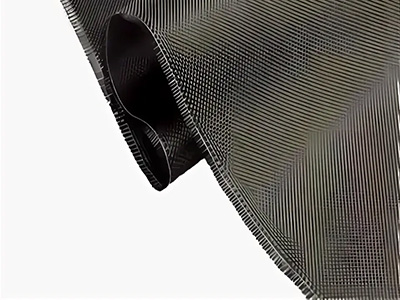
Material appearance reference
Material and specification review
We compared uncoated fiberglass fabric and a silicone-coated version as separate outer-layer candidates. The comparison addressed material construction; the full multi-layer assembly and its operating limits required the buyer's own acceptance plan.
| Requirement | Project detail |
|---|---|
| Candidate variants | Uncoated fiberglass fabric and silicone-coated fiberglass fabric |
| Trial material | Two 5 m cuts, each 1,000 mm wide |
| Conditional trial lot | 200 m following technical approval; not committed |
| Construction records | Weave, yarn details, coating chemistry, coated side and lot identity |
| Acceptance fields | Finished mass, thickness, width and seam/clamp behaviour; methods and tolerances to be agreed |
| Required documentation | Composition, traceability, import review and assembly-specific acceptance requirements |
Purchasing plan
The buyer allowed 8–12 weeks for qualification and discussed a 200 m trial lot after technical approval. Annual demand and reorder timing were not established, and the trial quantity remained uncommitted.
Sample review
The two 5 m cuts were compared using the buyer's sewing and clamping fixtures. The review also requested construction records linked to each lot. An assembly-specific acceptance plan was still needed for operating-condition evaluation.
Resolving the detail
The buyer read the quoted mass as the finished coated mass, while the sample sheet recorded base-fabric mass. We separated base mass from coating contribution and held specification approval until the measurement basis was agreed.
Project outcome
Both candidates remained in technical review without a purchase commitment. The open items were comparable specifications, composition evidence and the acceptance plan for the finished assembly.
Next step
Agree the measurement basis and assembly acceptance plan, then confirm the technical decision date before scheduling a trial order.