Technical textiles. Application-led selection.+8613370080785

Base fabrics / Material family

Fiberglass fabric

Glass-fiber textiles for heat barriers, insulation layers and further fabrication.

View specification tables ↓

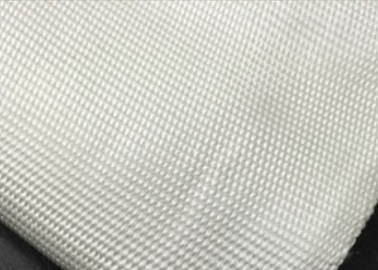
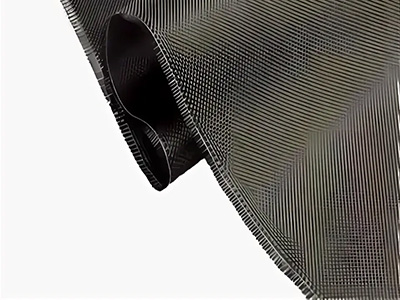
Woven glass fabric texture
Material appearance reference. Final construction and finish are confirmed with your enquiry.

Specifications

Technical specifications

Published reference models for comparison. These are third-party specifications; the exact grade and supply details are confirmed with your enquiry.

TGF1920 · texturized fiberglass fabric

TGF1920 · texturized fiberglass fabric
ParameterPublished value
Mass per area1920 g/m²
Thickness2 mm
Material constructionWoven texturized fiberglass
ColorWhite
Page-listed heat resistance550°C; exposure duration unspecified

The page gives no width, coating specification, or continuous/peak distinction. The fabric value does not establish the thermal performance of a complete insulation assembly.

Source: SHIYANG FABRIC ↗ · Retrieved 2026-11-19
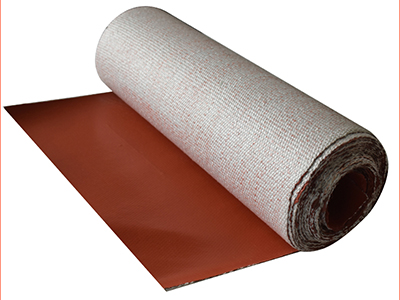
GF600-AC210-3004 · acrylic-treated example

Acrylic-treated fiberglass cloth reference roll
Source model photograph
GF600-AC210-3004 · acrylic-treated example
ParameterPublished value
Mass per area — source unit19 oz/yd²
Thickness — source unit0.023 in
Widths — detailed table100 / 152 cm
WeaveCheck board
TreatmentAcrylic-treated; weave-lock on both sides
Temperature labelled continuous by source550°C; coating scope not separated
Mass per area — calculated conversion≈644.21 g/m² (converted from 19 oz/yd²)
Thickness — calculated conversion0.5842 mm (converted from 0.023 in)

Acrylic-treated example, not uncoated fiberglass. The overview lists width 152 cm; the detailed table lists 100 and 152 cm. The body names Suntex although SHIYANG FABRIC publishes the page. The stated 550°C is not a separately verified acrylic-coating limit; conversions are calculations, not supplier values.

Source: SHIYANG FABRIC ↗ · Retrieved 2026-11-19
Material overview

Glass-fiber fabrics are offered in different yarn constructions, weaves and finishes. The required role—base cloth, hot-facing layer or fabricated component—should guide the questions asked of a supplier.

Before ordering, define the grade or finished construction and confirm technical documents and supply terms.
Base materialGlass fiber; specify fiber type, yarn and weave
Surface / coatingUncoated or processed finish; specify the required treatment

Selection requirements

PropertySelection requirement
ConstructionConfirm yarn type, weave and finished mass per area.
HandlingReview fraying, cutting, sewing and handling instructions.
Heat exposureRequest documented limits for the exact finished cloth and use.

Related applications

  • Keep the base cloth’s role separate from the performance of a complete protective assembly.

Use and specification notes

  • Fiber type, finish and construction affect suitability; the name “fiberglass” is insufficient.
  • Review handling information and any protective-clothing requirements against the exact material and construction.

Procurement questions

Should I choose an uncoated or coated fabric?

First define the surface function. If moisture, cleaning, abrasion or containment matters, discuss the finish separately from the base fabric.

Does thicker cloth always provide better protection?

Thickness alone is not enough to select a system. Compare construction, exposure, seams and the required test outcome.

Can you confirm a price, MOQ or lead time?

Price, minimum order quantity and delivery depend on the selected grade, quantity and destination. Include your target quantity and timing so these terms can be addressed in the quotation.