Application guide
Welding & hot work
Start with sparks, molten particles and the intended placement of the protective material.
The enquiry should distinguish a vertical barrier from a horizontal blanket or pad.
Questions to resolve
- What operation produces the exposure?
- Is the material horizontal, vertical or wrapped around equipment?
- What test category and acceptance criteria does the project require?
Materials support a site’s hot-work controls; suitability must be assessed for the complete product and operation.
Related material categories
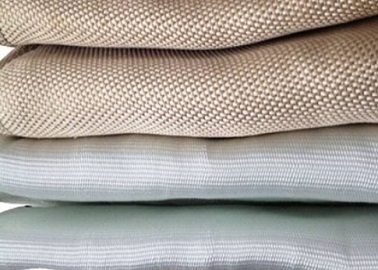
Fabricated products
Welding blankets
Textile blankets for protection requirements around welding sparks and hot particles.
Reference example
View specifications & applications - Mass per area
- 280–1400 g/m²
- Thickness
- 0.2–3 mm
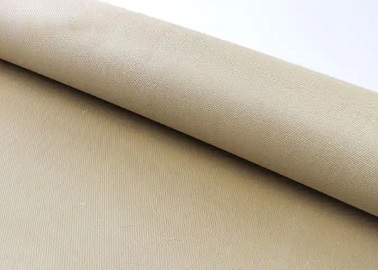
Coated fabrics
Vermiculite-coated fiberglass fabric
Vermiculite-coated fiberglass for hot-work textiles and thermal-barrier constructions.
Reference example
View specifications & applications - Mass per area
- 1070 ± 50 g/m²
- Thickness
- 1.40 ± 0.05 mm
- Width
- 1000 / 1520 / 1550 mm
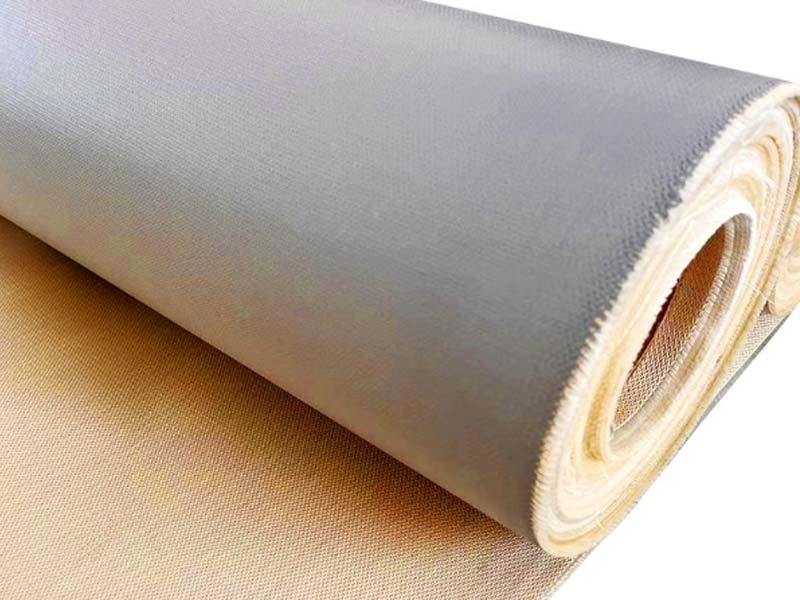
Base fabrics
High-silica fabric
Silica-rich woven textiles for hot facings and thermal barriers.
Reference example
View specifications & applications - Mass per area
- 600 g/m²
- Thickness
- 0.65–0.7 mm
- Width
- 1250 mm