Project / Application & fabrication
Singapore / removable-insulation fabrics
A converter needed more consistent folding and clearer material identification across several jacket patterns. The project aligned the approved fabric, sewing trial and roll label before purchasing review.
The customer and requirement
The customer is a Singapore converter making removable insulation jackets for maintenance contractors. The converter buys the fabric directly; contractors and plant owners use the finished jackets.
The existing roll fabric produced inconsistent fold lines during cutting and sewing. The production team wanted an outer-facing construction that could be handled consistently, with roll labels that made the coated side and batch clear.
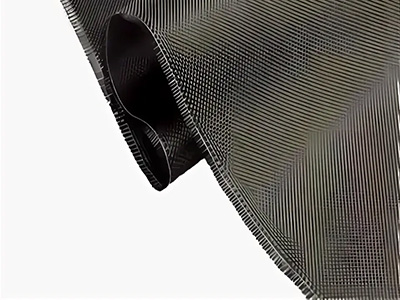
Material appearance reference
Material and specification review
We compared two silicone-coated fiberglass constructions with the same base weave and different coating distribution. Sewing behaviour and appearance determined the trial candidate; application-specific thermal and fire requirements remained a separate review.
| Requirement | Project detail |
|---|---|
| Material construction | Silicone-coated fiberglass with a proposed double-sided finish |
| Usable width | 1,000 mm target; measurement tolerance to be agreed |
| Trial and proposed first lot | 20 m trial roll; 600 m first lot subject to approval |
| Colour and batch control | Grey matched to an approved physical swatch; batch label required |
| Mass, thickness and coating mass | Values and measurement method to be agreed for the selected construction |
| Application documentation | Temperature and certification requirements subject to the buyer's application review |
Purchasing plan
The buyer considered a 600 m first order after sample approval and indicated a possible 600–1,000 m requirement every 6–8 weeks. These quantities were a forecast, not a purchase commitment. The initial quotation-to-pilot plan allowed four weeks.
Sample review
The 20 m trial roll was cut into three jacket patterns. The team checked usable width at agreed points, compared fold lines after sewing and recorded fabric orientation, seam settings and photographs.
Resolving the detail
The first sample did not identify the coated side clearly enough, leading to inconsistent cutting orientation. We relabelled the retained sample and revised the roll-label template before the next trial.
Project outcome
The revised sample and label were accepted for purchasing review. Repeat orders remained subject to the buyer's approved construction and purchasing decision; the sewing review did not establish protective performance.
Next step
Confirm the finished construction and measurement tolerances, then agree the purchase quantity and release date.